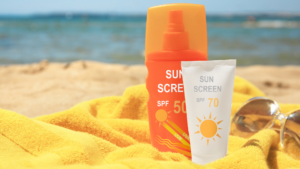

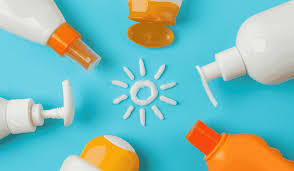





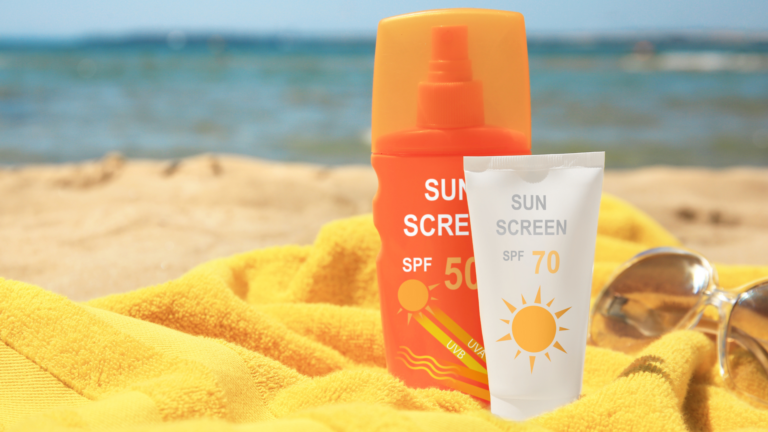
I was recently featured in The Sydney Morning Herald discussing the growing popularity of Korean sunscreens in Australia and why, despite the hype, most cannot legally be sold here The article, “Popular but not sold here, what’s wrong with Korean sunscreens?” (February 4, 2026), explores a question many brands and consumers are asking: If Korean sunscreens are so advanced and elegant, why aren’t they on Australian shelves? As a cosmetic chemist and regulatory consultant, this is a conversation I am having more frequently with founders, manufacturers and importers. Let’s break it down properly. The Core Issue: Sunscreen Is Not “Just

The Importance of Fragrance in Homecare Formulations: Why Scent Still Drives the Category in 2025-2026 While the beauty world may be flirting with fragrance free skincare, homecare is telling a completely different story. Consumers still overwhelmingly prefer cleaning products, dish liquids, disinfectants, air fresheners and laundry detergents that smell good. In fact, scent is one of the strongest emotional and functional drivers in the category. Recent market data shows that fragrance remains dominant in household purchasing patterns. According to P and G category insights, scented products account for more than eighty percent of laundry, nearly eighty percent of surface cleaners

Fragrance is no longer a supporting element in beauty and homecare. It is now a category shaping consumer behaviour, retail strategy and formulation science. Market data from 2024 and early 2025 shows that scent is driving purchase intent across all demographics, with premiumisation, emotional care and textile scent longevity emerging as major forces behind category growth. Below is an expanded analysis of the most influential trends and the numbers defining them. The Global Fragrance Market Surges to USD 64 Billion in 2025 The global fragrance market continues to climb, reaching an estimated USD 64 billion in 2025 with a projected
How ScentRadar and a Wave of Next Gen Tools Are Redefining Fragrance Creation The fragrance industry is experiencing a technological pivot that only a few years ago seemed unlikely. Scent creation, once viewed as an exclusively artistic discipline, is now entering the realm of machine learning, behavioural prediction and emotional analytics. OnScent’s launch of ScentRadar is the latest signal that the future of perfumery will be powered by both instinct and intelligence. ScentRadar is a proprietary AI platform that ingests massive volumes of digital behaviour and transforms them into predictive scent insights. Instead of relying solely on past sales, static
The fragrance world in 2025 has been nothing short of transformative. It has been a year defined by emotion, identity and innovation, with consumers gravitating toward scents that feel deeply personal and brands responding with creativity that stretches well beyond the traditional perfume counter. As we close the chapter on 2025, the key themes that shaped the year reveal a category that has grown more thoughtful, more experimental and more connected to individual wellbeing. These shifts are now laying the foundation for an even more dynamic 2026, where scent will continue to evolve as both a personal signature and a
Silicones and UV filters are two of the most commercially and technically important ingredient categories in men’s grooming today — and, not surprisingly, they’re also two of the most scrutinised by regulators. For formulators, the relevance is clear. Silicones form the backbone of sensory design in men’s skincare and haircare. They make gels glide effortlessly, keep serums light, deliver a clean dry-down, and give styling products that signature smooth finish without greasiness. They’re the invisible texture-makers that define how a product feels, not just how it performs. UV filters play an equally critical role. The male consumer wants daily SPF