





Silicones and UV filters are two of the most commercially and technically important ingredient categories in men’s grooming today — and, not surprisingly, they’re also two of the most scrutinised by regulators. For formulators, the relevance is clear. Silicones form the backbone of sensory design in men’s skincare and haircare. They make gels glide effortlessly, keep serums light, deliver a clean dry-down, and give styling products that signature smooth finish without greasiness. They’re the invisible texture-makers that define how a product feels, not just how it performs. UV filters play an equally critical role. The male consumer wants daily SPF
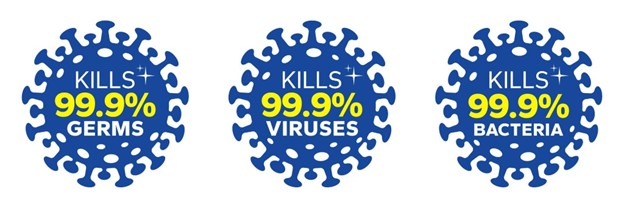
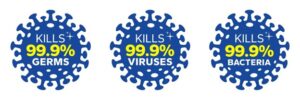
From supermarket shelves to social media ads, claims like “Kills 99.99% of germs” and “Antibacterial surface cleaner” dominate the homecare space. Let us unpack the regulations governing germ-killing claims in the Australian homecare market, how they compare globally, and what formulators and marketers must consider to stay compliant. Understanding the Claims: What Do They Really Mean? These claims are based on log reduction testing, a logarithmic scale used to quantify the reduction of microorganisms during disinfectant efficacy tests. In household products, these claims relate to the antimicrobial efficacy, with each representing different levels of germ-killing power. “Kills 99% of germs”
Azelaic acid is such an amazing multifunctional ingredient in skincare formulations. It offers a safe, stable, and versatile option for formulators. Its multi-functional properties have made it an essential ingredient for addressing various skin concerns, especially in gentle and effective formulations targeting sensitive and acne-prone skin. Some current products on the market that use Azelaic Acid NATURIUM – Azelaic Topical Acid 10% Claims: help improve the appearance of skin tone, for brighter-looking skin. Active: Azelaic Acid Derivative – Potassium Azeloyl Diglycinate More Info: https://naturium.com.au/products/azelaic-topical-acid-10 EGO – Azclear Action Medicated Lotion Claims: attacks pimples by fighting bacteria and unblocking the oil

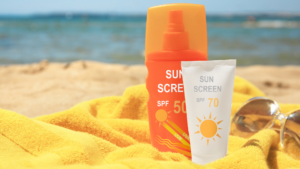
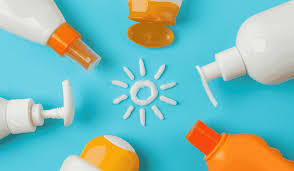
In December 2022, Standards Australia introduced the Australian/New Zealand Standard: Sunscreen Products – Evaluation and Classification (AS/NZS 2604:2021). This updated standard is set to bring significant changes in the sunscreen industry, promising enhanced protection and safety for consumers. Here’s a detailed exploration of what these changes entail and how they might impact both consumers and manufacturers. Why Update the Sunscreen Standard? Australia has some of the highest skin cancer rates globally, a concerning statistic driven by intense ultraviolet radiation (UVR) exposure. Effective sunscreens are crucial in mitigating skin cancer risks. The updated AS/NZS 2604:2021 aims to ensure that sunscreens available
Are we entering a new era of cosmetic regulation? Certain acts and regulations related to cosmetics can vary by country or region. These regulations often focus on ensuring the safety, labelling, and advertising standards of cosmetic products. In the US, recent developments in MoCRA (Modernizing Cosmetics Regulation Act) have come to light. What you may not know is exactly what the legislation means for your company in terms of necessary adjustments in operations and strategy. There’s plenty to learn about MoCRA and its implications for your organisation – including new records to be created and maintained; testing that must be
The NSW Government’s ban on certain single-use plastic items comes into effect on 1 November 2022. The NSW single-use plastic ban will prevent almost 2.7 billion items of plastic litter from entering the environment in NSW over the next 20 years. What’s banned from 1 November This follows the ban on lightweight plastic bags with handles (35 microns or less) from 1 June this year. Get savvy about banned items and their alternatives with our photo galleries. Campaign launched “Let’s Stop it and Swap it” Shocking images of plastic pollution in the ocean and a turtle choking on a plastic