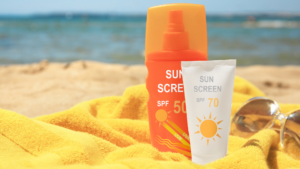

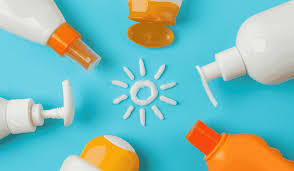





I was recently featured in The Sydney Morning Herald discussing the growing popularity of Korean sunscreens in Australia and why, despite the hype, most cannot legally be sold here The article, “Popular but not sold here, what’s wrong with Korean sunscreens?” (February 4, 2026), explores a question many brands and consumers are asking: If Korean sunscreens are so advanced and elegant, why aren’t they on Australian shelves? As a cosmetic chemist and regulatory consultant, this is a conversation I am having more frequently with founders, manufacturers and importers. Let’s break it down properly. The Core Issue: Sunscreen Is Not “Just
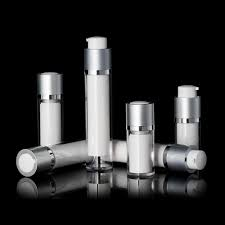
As clinics demand high-performance formulations with minimal compromise, airless packaging is becoming the go-to for brands seeking stability, safety, and sophistication. Whether it’s for hyaluronic acid-based injectables or barrier-repairing post-procedure serums, the airless format ensures that what’s inside stays as potent as the day it was made. In today’s skincare landscape, particularly within the clinical, dermatological, and cosmeceutical sectors airless packaging is no longer just a luxury; it’s a necessity. As formulas become increasingly sophisticated, so too must the delivery systems that house them. From retinol-rich night creams to preservative-leaning probiotic serums, maintaining product integrity from the first pump to

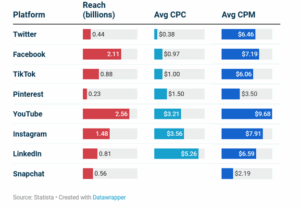
In today’s beauty landscape, your first sale often happens online visually. Before your product hits the shelf or a consumer’s skincare routine, it must pass the scroll test. That’s why being Social Media Ready is no longer optional, it’s a retail essential. According to VistaPrint, businesses investing in social media advertising are seeing greater returns than ever, with platforms like Instagram, Facebook, and TikTok becoming powerful revenue drivers. WordStream further emphasizes that social media advertising is a cost-effective strategy, yielding an average 200% ROI, and is the second-largest market in digital ads, following search advertising. But what makes a personal
In the realm of beauty and personal care, the allure isn’t just in the product itself – it’s in the promise it holds, the experience it offers, and perhaps most strikingly, the packaging that speaks it’s language! From the sleek lines of luxury skincare to the vibrant colours of cosmetic palettes, packaging plays a pivotal role in shaping consumer perceptions and driving purchasing decisions. In the landscape of Australia’s beauty and personal care market, the numbers speak volumes. According to projections, this year alone is poised to witness a staggering $11.2 billion in revenue. And as per data sourced from
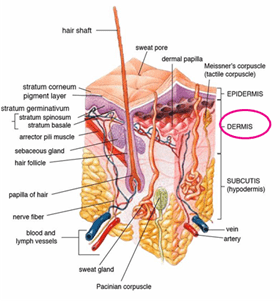
How do you know if your product is a cosmetic or Therapeutic? Let’s look at the difference between them: Cosmetic v Therapeutic Products In Australia substance to be used on any external part of the body, or inside the mouth, which: Cosmetics can only have an impact or effect on the epidermal layer of the skin. Cosmetic Products – Samples Therapeutic Product – Definition In Australia, a product to be used on any external part of the body with a view to: Therapeutic goods can have an impact or effect on the dermis layer of the skin and below: Therapeutic Product – Categories
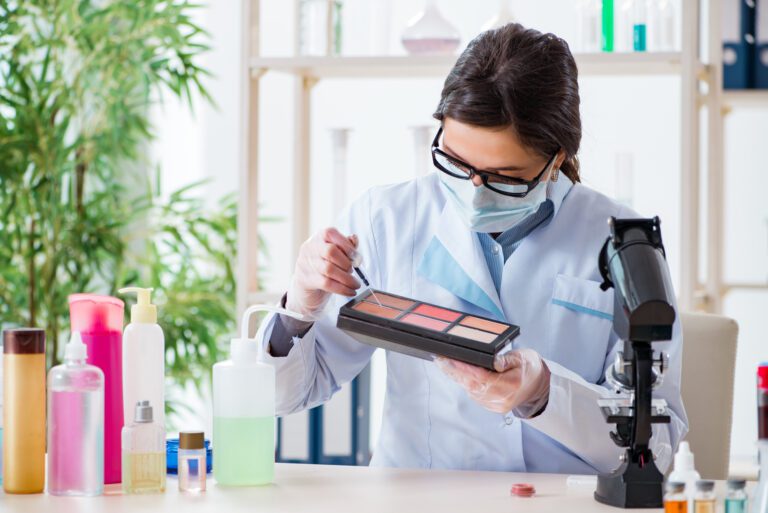
Although testing is not currently mandated in Australia, cosmetic brands are expected to provide safe products for consumers. Therefore, you should always plan on testing your products before you launch them. The two types of testing for cosmetic products are Stability Testing and Preservative Efficacy Testing (PET). Stability Testing versus PET (Preservative Efficacy Testing) Cosmetics naturally degrade over time. These tests will reveal the extent to which your product degrades under different conditions and exposures. Stability testing Stability tests assess whether your product will hold up during its intended life span. Stability testing involves accelerated tests, in which your product