Start-ups like Hims, Horace, and Asystem are setting new benchmarks for ingredient credibility and transparency.
The men’s skincare industry is undergoing a quiet revolution. Gone are the days when men’s grooming meant a bar of soap and an aftershave splash. A new generation of brands is rewriting the rules, bringing pharmaceutical-grade ingredients, clinical transparency, and science-backed formulations to consumers who are sceptical of marketing hype and hungry for results.
Leading this movement are innovative start-ups that have rejected the old playbook of vague promises and masculine clichés. Instead, they speak the language of evidence: active percentages, peer-reviewed studies, and open ingredient disclosure. These brands are treating men’s skin with the same clinical seriousness once reserved for prescription medications.
The Transparency Movement
At the heart of this evolution is transparency. Brands like Hims, Horace, Asystem, and emerging players such as Lumin and Geologie are not just listing ingredients; they are explaining them, disclosing concentrations, and providing the scientific rationale behind every formulation.
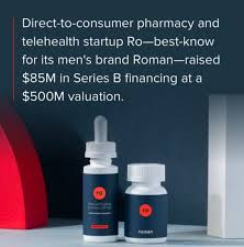
Hims began by addressing hair loss and sexual health through telemedicine before expanding into skincare. Its products feature clinically proven actives like tretinoin, niacinamide, and azelaic acid at therapeutic strengths. Dermatologist consultations are available online, making professional skincare accessible to men who might otherwise avoid clinics. Hims reframed skincare as part of health, not vanity.
Horace, a Paris-based brand with growing global reach, takes ingredient education to the next level. Each formulation is accompanied by detailed explanations of concentration and purpose. Its Philosophy Balm clearly states its 5% niacinamide content and explains why that level was selected for optimal efficacy without irritation, a level of transparency unheard of in men’s grooming until recently.
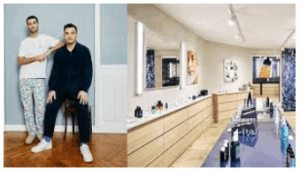
Asystem bridges skincare and wellness, combining adaptogens, peptides, and antioxidants in formulations that support both skin and body recovery. Its philosophy is clear: good skin health is inseparable from stress, sleep, and nutrition.

Personalisation Goes Mainstream
Transparency may have started the movement, but personalisation is taking it mainstream. Brands like Geologie and Lumin have built business models around customised skincare, using online diagnostics and algorithmic formulation to create tailored regimens.
Geologie’s diagnostic quiz and dermatologist involvement produce data-backed, bespoke products that evolve with user feedback. After being acquired by MegaLabs USA in 2025, the company expanded globally while maintaining its commitment to simplicity and efficacy.
Lumin’s origins are personal. Created by siblings to solve acne issues, the brand blends Korean skincare innovation with direct, accessible communication. Its focus remains results and routine-building, not luxury or exclusivity.
Tiege Hanley has become a gateway brand for skincare newcomers. Its level-based system (Level 1, 2, or 3) offers men increasing degrees of complexity and actives. Co-founded by YouTube influencer Aaron Marino and a veteran chemist known simply as “The Chemist”, the company demystified men’s skincare without diluting the science.
Clinical Ingredients Go Mainstream
What truly defines this new age of men’s skincare is ingredient rigour. Brands are embracing actives once restricted to dermatologists’ offices. Retinoids, niacinamide, peptides, and vitamin C are now standard, not specialist.
Hims provides access to prescription tretinoin through telehealth. Geologie uses retinol derivatives for anti-ageing and acne. Horace and Lumin rely on stable, transparent formulations of niacinamide, bakuchiol, and vitamin C in optimised concentrations. Peptides like Matrixyl 3000, copper tripeptides, and Argireline appear at declared levels, allowing consumers to make informed comparisons.
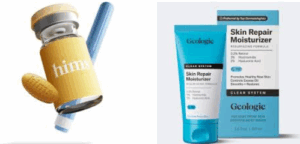
Vitamin C serums now feature stabilised L-ascorbic acid in 10–20% concentrations, stored in airless packaging to preserve potency. These technical details, once the concern of formulators, are now part of brand storytelling. Men are learning why these nuances matter, and they appreciate it.
The Direct-to-Consumer Advantage
Direct-to-consumer models have been pivotal to this revolution. By bypassing traditional retail, brands can invest more in formulation quality, education, and personal support. Subscription models ensure consistency and habit formation, addressing one of the biggest barriers to men’s skincare adherence.
Curology and Agency extend this model further by offering compounded formulations tailored to individual skin conditions, adjusted over time through photo assessments. Every customer effectively participates in a continuous clinical study, allowing the brands to refine both their algorithms and their formulations.
This shift has elevated consumer education. Through blogs, podcasts, and interactive tools, brands teach men about ingredients, routine-building, and skin biology, empowering them to take ownership of their skin health.
Australian Innovation
Australia is also carving its niche in this clinical revolution. Local brands like Hunter Lab, The Aussie Man, Groomed Man Co, Next Chapter Skin, MISTR and Stuff are merging clinical efficacy with sustainability and local authenticity.
MISTR stands out as one of Australia’s most innovative entries into the clinical men’s skincare space. What sets MISTR apart is their groundbreaking Tap To Refill® system which is fantastic approach to sustainable luxury skincare. Each product in their core range is housed in an “everlasting Vessel,” a sleek outer shell with NFC

(near-field communication) functionality built in. Simply tap your smartphone to the base of the Vessel, and you’re taken directly to their virtual shopfront to reorder refills.
The refill tubes are designed to be returned and refilled, eliminating single-use plastic waste. After receiving your fourth refill, MISTR includes a prepaid compostable satchel, return a minimum of four empty tubes and receive a 10% discount on your next order. This circular economy approach combines clinical efficacy with genuine environmental responsibility, proving that premium men’s skincare doesn’t have to come at the planet’s expense.
MISTR’s formulations match their innovative delivery system, featuring ingredients like magnesium, oat oil, and basil oil to refresh and hydrate men’s skin, alongside niacinamide, avocado oil, and coconut oil in their body care range. Their Hydrate + Defense SPF30 has garnered particular attention for protecting and nourishing skin while providing essential UV protection. As beauty industry publications have noted, MISTR is “changing the game when it comes to men’s skincare.”
Hunter Lab focuses on performance-driven natural formulations with strong sustainability credentials.

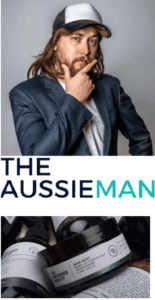
The Aussie Man simplifies clinical skincare with a quiz-based system and native botanicals like Kakadu Plum. Groomed Man Co targets oil control and barrier function using green tea, kaolin clay, and magnetite, ingredients that resonate in Australia’s humid climate.
Next Chapter Skin, developed in Melbourne under medical supervision, offers a three-step regime focused on barrier health and hydration. Stuff combines quality
skincare with purpose, supporting The Man Cave charity to promote healthy masculinity among young men.


Frase Skin, founded in Melbourne, is redefining minimalist men’s skincare through evidence-based simplicity. The brand was created to help men make informed choices about their skin, offering a streamlined range of scientifically formulated essentials made with clean, active ingredients. Every Frase product is made in Australia, dermatologically tested, cruelty-free, and crafted for maximum impact with minimal complexity. The brand’s philosophy … “no unnecessary noise, just skin science that works”, reflects the growing demand for honest, transparent skincare built for Australian conditions.
Beyond Marketing Speak
Traditional grooming brands once leaned on hypermasculine marketing. The new generation respects consumer intelligence. Product descriptions read like scientific abstracts rather than advertising slogans, explaining how actives work at a cellular level and referencing the studies behind them.
Lumin’s recent rebrand exemplifies this maturity. CEO Ingrid Jackel describes it as “elegantly irreverent” – stylish but anchored in clinical performance. The brand proves that personality and scientific credibility can coexist.
Sustainability Meets Science
Crucially, these brands prove that scientific rigour and sustainability are not mutually exclusive. Horace uses recyclable packaging and sustainable sourcing. Asystem discloses its supply chain. Hunter Lab champions low-impact production and natural ingredient sourcing. The message is clear: effectiveness and ethics can share the same shelf. MISTR’s innovative Tap To Refill® system redefines sustainable luxury skincare through a circular refill model that eliminates single-use waste. Its reusable “everlasting Vessel” and returnable refill program blend clinical performance with environmental responsibility, proving that premium men’s skincare can be both effective and eco-conscious.
The Impact on the Industry
The ripple effect is undeniable. Legacy brands like Neutrogena, CeraVe, and Nivea Men are reformulating products and increasing active concentrations. Retailers are expanding shelf space for clinically transparent men’s skincare. Luxury brands are adopting minimalist, science-led language to maintain relevance.
Lumin and Geologie’s expansion into major retailers such as Target and CVS show how DTC brands can successfully cross into mainstream distribution without losing authenticity.
According to Mintel’s 2025 Grooming Report, 61% of men under 35 now read ingredient labels before purchase, double the number from 2018. The modern male consumer is informed, selective, and loyal to brands that respect his intelligence.
Looking Ahead
The next chapter of men’s skincare will fuse clinical precision with AI diagnostics, wearable tracking, and nutritional integration. The Australian market, with its natural ingredient expertise and regulatory transparency, is well-positioned to lead this phase.
As science, sustainability, and digital innovation converge, one truth stands out: the men’s skincare revolution is here. It is driven by brands that prioritise evidence over ego, results over rhetoric, and intelligence over intimidation.
The question is no longer whether men care about skincare; it is how far science can take them.
Sources:
Mintel Men’s Grooming Report (2025); Euromonitor International Skincare Analysis (2025); Brand Communications: Hims, Horace, Asystem, Lumin, Geologie, Tiege Hanley, Hunter Lab (2025); HPC Editorial Analysis (2025).